Sustainable Fashion in South Africa: Blending Heritage and Eco-Innovation
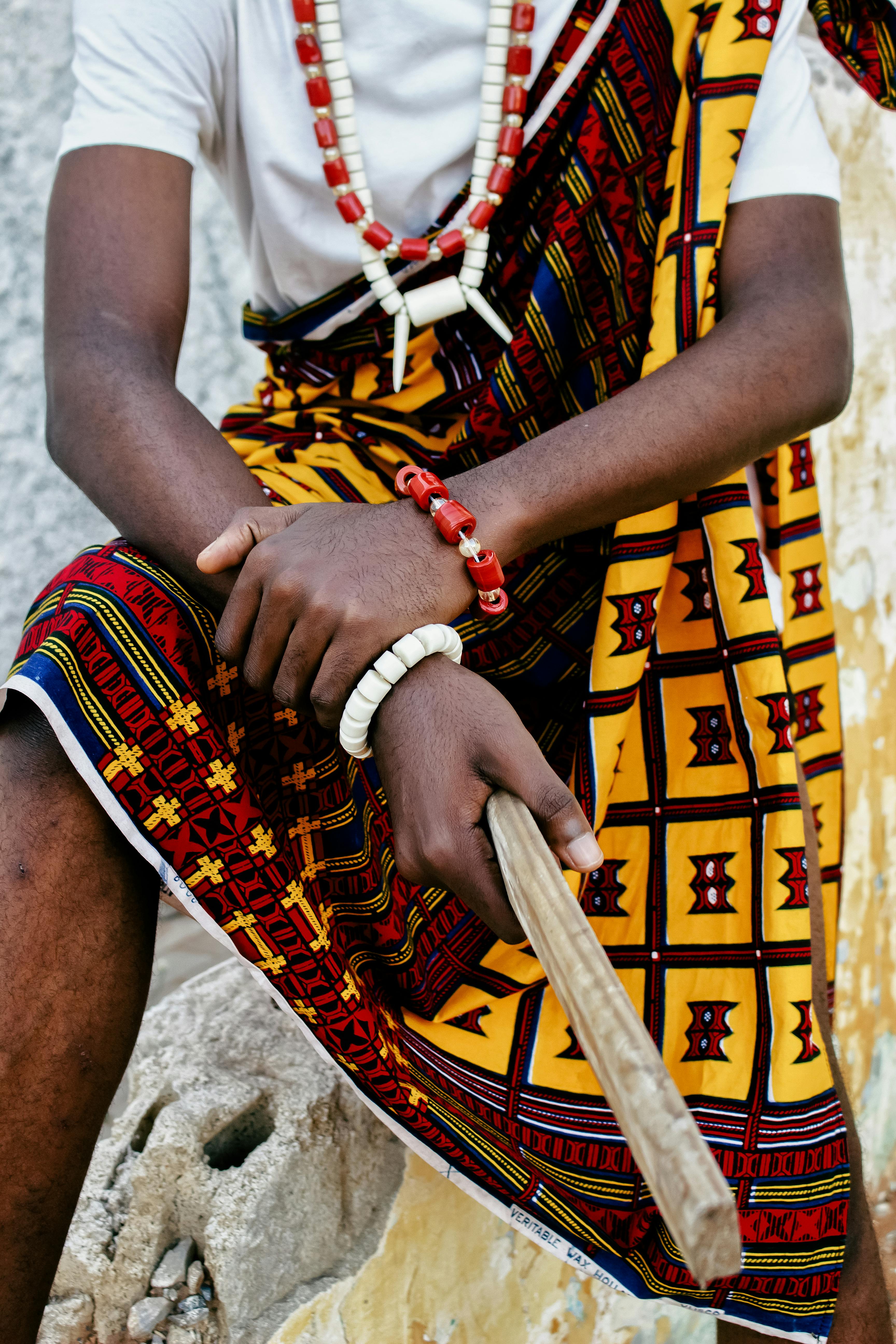
Xhosa women in traditional attire, South Africa.
In South Africa’s dynamic fashion scene, sustainability is no longer a trend—it’s a revolution. Emerging Mzansi designers are blending eco-conscious practices with cultural heritage, using traditional materials and innovative techniques to craft garments that honor the earth. From upcycled township textiles to biodegradable prints inspired by the veld, these trends are reshaping the industry, proving that style and environmental responsibility can coexist.
Why Sustainable Fashion Matters for Mzansi Creators
South African fashion draws deeply from cultural roots while addressing global environmental challenges. With designers contributing at least R1 billion to GDP annually, sustainable practices foster economic growth, preserve heritage, and reduce the industry's carbon footprint, positioning SA as a leader in ethical fashion.
Quick Eco-Fashion Tips
- Repurpose wardrobe: Upcycle old garments into new pieces for zero-waste style.
- Source locally: Choose brands using indigenous materials like shweshwe or organic cotton.
- Support artisans: Buy from designers empowering rural communities through ethical labor.
Roots in Tradition vs Innovative Techniques: Heritage Showdown
SA fashion balances ancestral materials with cutting-edge methods. Here's how traditional and modern approaches compare for eco-conscious creators.
Roots in Tradition: Indigenous Materials
Fabrics like shweshwe and Zulu/Xhosa beadwork are revived using organic dyes from plants like marula or rooibos, promoting slow fashion and biodiversity.
- Key Practices: Natural dyes, recycled beads for biodegradable accents.
- Notable Use: Rural artisan collaborations reducing chemical waste.
- Best for: Cultural storytelling with minimal environmental impact.
Best for: Preserving ubuntu through sustainable heritage crafts.
Innovative Techniques: Upcycling and Tech
Designers employ zero-waste patterns and digital tools to minimize production footprints, aligning with global trends like circular economy models.
- Key Practices: Upcycling scraps, AI simulations for pattern efficiency.
- Notable Use: 3D printing prototypes to cut material waste.
- Best for: Scalable, low-impact luxury production.
Best for: Urban innovation meeting fast-changing consumer demands.
Comparison: Tradition vs Innovation Head-to-Head
Spotlight on Emerging Designers: Mzansi’s Green Pioneers
These innovators lead with eco-practices rooted in storytelling:
- Sindiso Khumalo: Organic cotton and hand-printed fabrics drawing from African women's histories, emphasizing ethical production.
- Mzukisi Mbane (Imprint ZA): Upcycles vintage SA textiles into gender-fluid pieces, slashing carbon footprints.
- Rich Mnisi: Recycled polyester and ethical labor inspired by Venda folklore for sustainable luxury.
- Laduma Ngxokolo (MaXhosa Africa): Repurposes Xhosa blankets into zero-waste knitwear.
- Lukhanyo Mdingi: Zero-waste patterns with local sourcing.
- Thebe Magugu: Integrates AR and NFTs to reduce physical waste in prototyping.
Other Top SA Picks: Materials and Initiatives
Beyond designers, explore these sustainable elements:
- Hemp and Pineapple Leather: Biodegradable alternatives gaining popularity in Mzansi collections.
- Thrifting Markets: A R10 billion economy promoting circular fashion.
- Allfashion Sourcing Cape Town: Showcasing eco-trends annually.
Impact Breakdown: Finding Your Eco-Vibe
Upcycling transforms waste into inclusion, indigenous revival honors culture sustainably, while tech zero-waste enables scalable ethics—trends set to dominate Spring/Summer 2025 with bold, eco-fabrics.
Case Study: Sindiso Khumalo's Ethical Legacy
Sindiso Khumalo, a Zimbabwean-born SA-based designer, champions sustainable textiles through collaborations like her organic cotton line with & Other Stories, empowering African women via community-driven production.
“Clothes must be ethically made and made to last.”
— Sindiso Khumalo
Economic and Community Engagement: Fashion as Force for Good
Initiatives cut water use and create jobs in marginalized areas, with thrifting and repair workshops extending garment life amid fast fashion's environmental toll.
Recommendations for Your SA Eco-Wardrobe
Curated starting points:
- MaXhosa Africa: Heritage knits with zero-waste ethos.
- Imprint ZA: Upcycled vintage for bold statements.
- Sindiso Khumalo: Hand-printed organic collections.
FAQs: Embracing Sustainable Mzansi Fashion
Q: Best for beginners?
A: Start with upcycling workshops or thrifting for accessible eco-style.
Q: Top trend for 2025?
A: Indigenous fabric revival with tech integration for low-waste luxury.
Q: How to support locally?
A: Shop at events like Allfashion Sourcing or follow #SustainableMzansi on socials.
Challenges and Future Horizons
High organic material costs and fast fashion dominance persist, but bio-fabrication like mushroom leather and youth TikTok movements signal a greener path.
Sustainable fashion in South Africa is a movement reshaping the industry with innovation, ethics, and cultural pride. From Khumalo to Mbane, these practices inspire a generation to design responsibly. Embrace eco-conscious fashion: repurpose garments, source locally, and support designers driving Mzansi’s sustainable future.